ECHO · Announcement · Hardware
Meet the ECHO creature
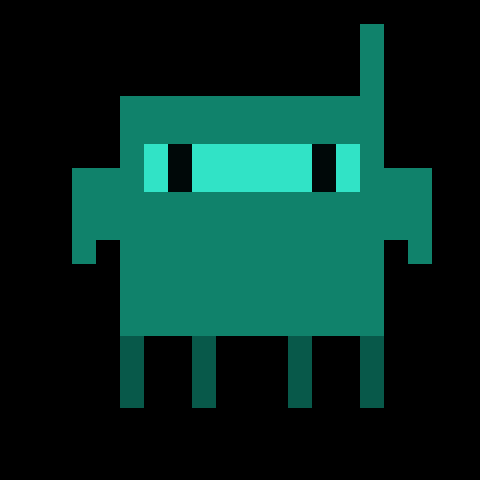
The club has a creature now, and it lives on a 4 inch screen that tells you how much Claude Code you have left. Both came out of the same weekend: a hardware fork Digital Orukami is building for ECHO, and the pixel animal that had to be drawn to make the fork feel like ours.
The screen is a fork of Hermann Björgvin's Clawdmeter, an open hardware desk meter. A tray app on your PC reads the rate limit headers the Anthropic API already sends with every response, and once a minute pushes the numbers over Bluetooth to a small ESP32 display. No account scraping, no cloud in the middle. Upstream runs on a handful of small AMOLED boards. The board on ECHO's bench was none of them: the Waveshare ESP32-S3-Touch-LCD-4, a 4 inch, 480 by 480 panel with one button. So it got ported, the way the upstream project intends: one folder of board files behind its hardware layer, and the meter itself untouched.
Why it needed a creature
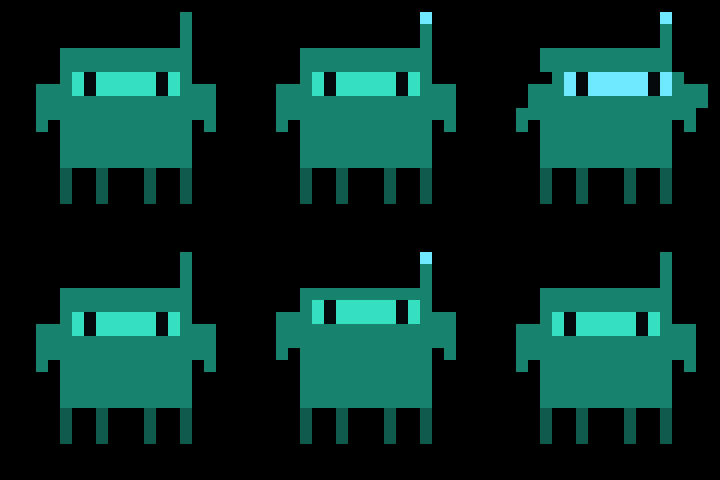
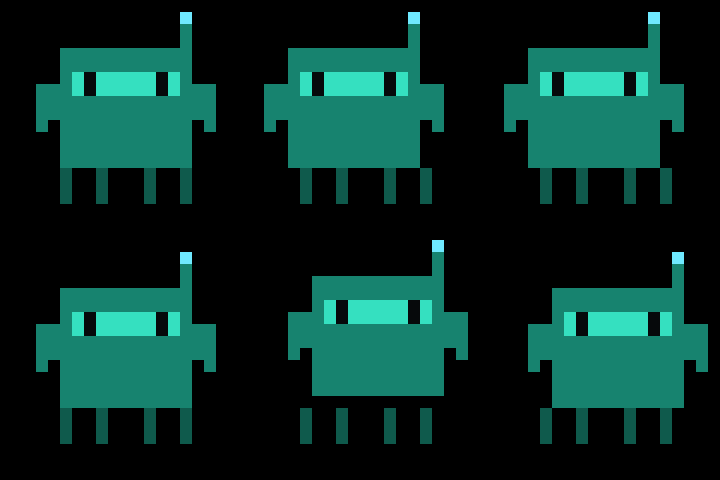
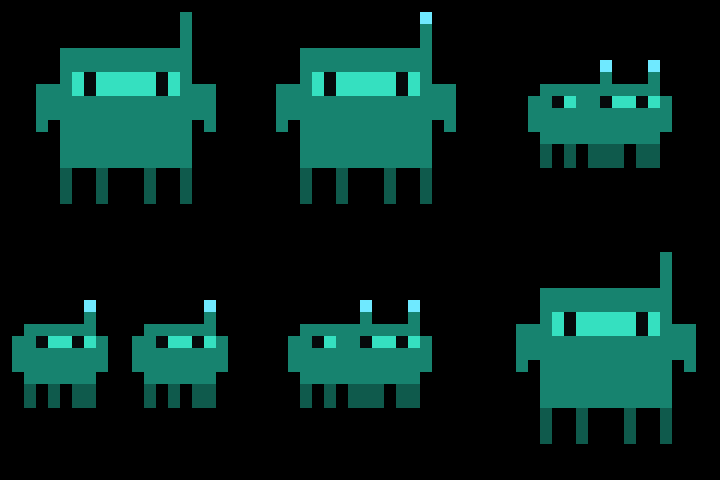
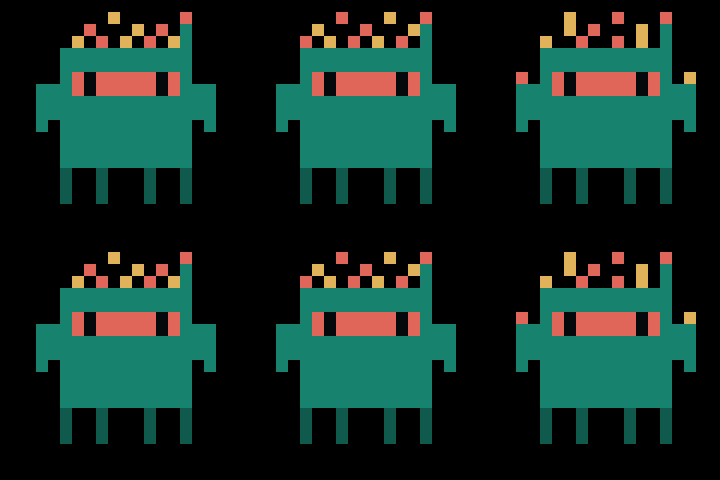
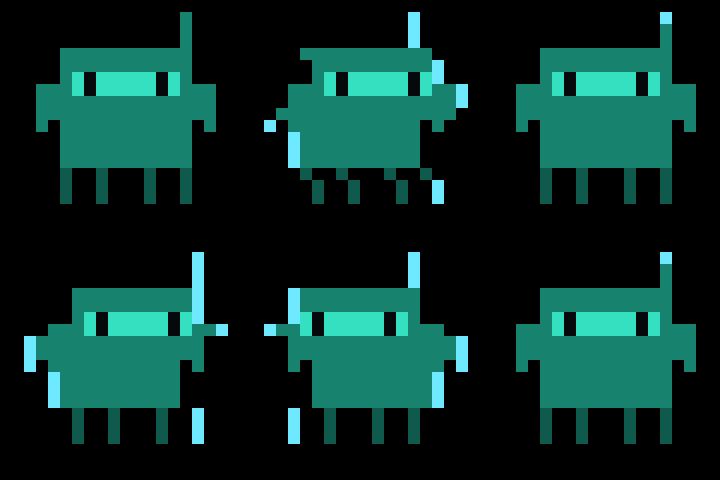
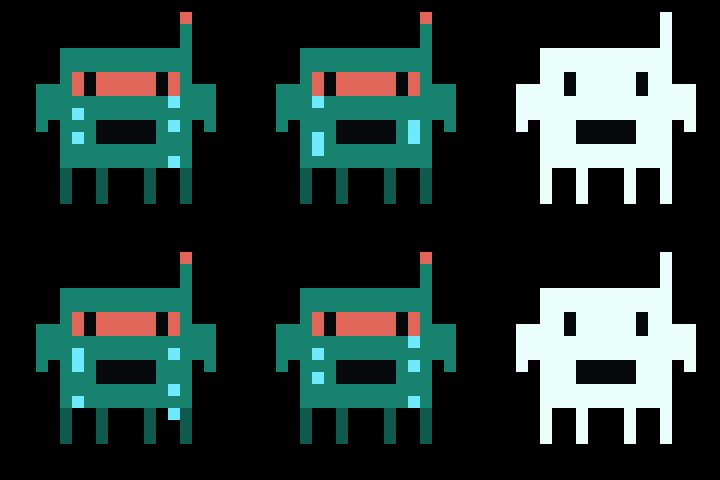
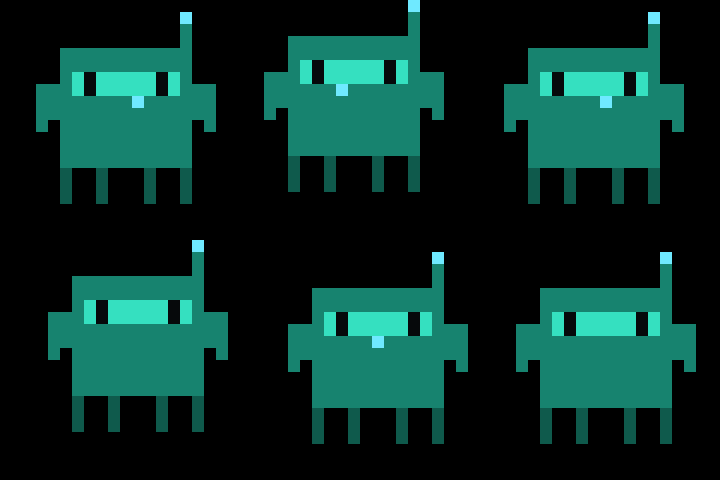
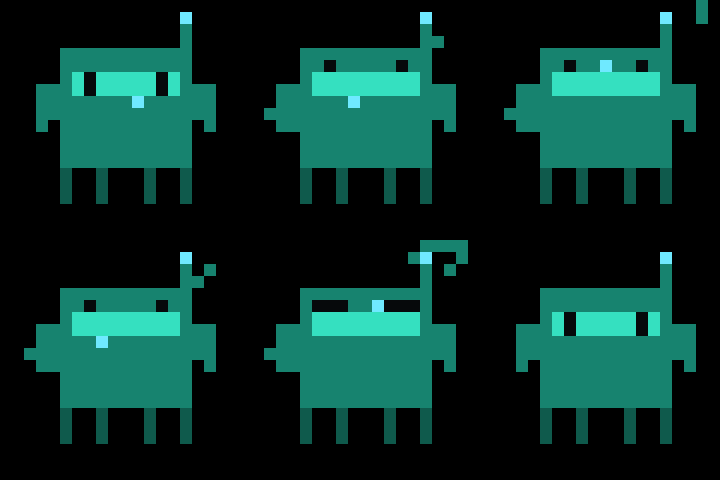
The Clawdmeter's charm is its splash: 20 by 20 pixel-art Clawd animations that get busier as your usage climbs. Keeping them exactly as they are would have made this a bigger Clawdmeter and nothing more. Redrawing them from scratch would have thrown away what makes the device read at a glance. The answer was a skin: keep Clawd's silhouette, which every stock movement already knows how to move, and dress it in ECHO's own tokens. Deep teal body. A teal visor across the eyes. An antenna that pings in the site's cyan. Feet a shade darker. Once per cycle, the same glitch split the website uses as an accent.
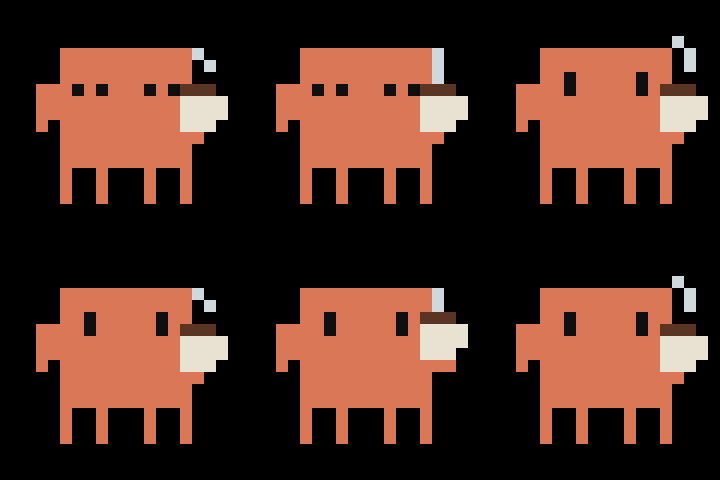
Because the skin is applied per frame from each frame's own geometry, the stock movements carry over for free. Breathe, look around, wink, surprise, sleep, bounce, sway and think all exist as ECHO creatures today, drawn on a bench where every candidate runs on one clock so they can be judged in motion rather than as stills. The bench exports straight into the firmware's format; two of the creatures are already compiled into the device and sit first in its rotation.

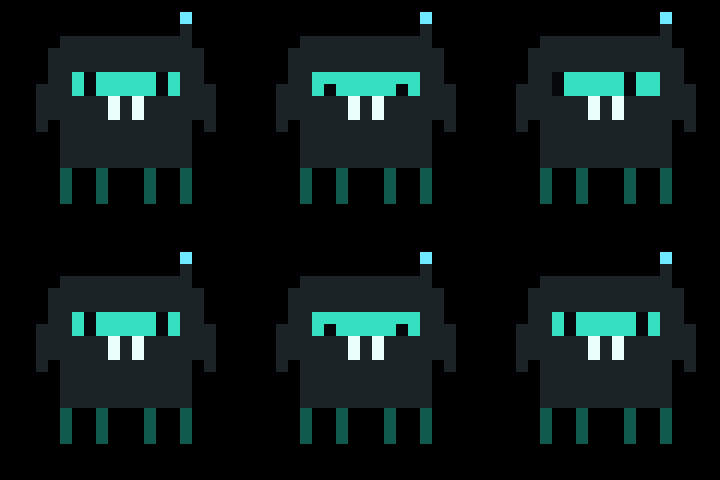
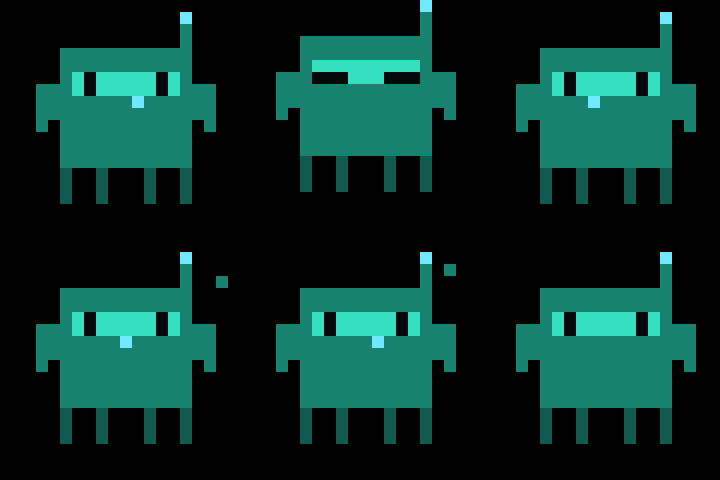
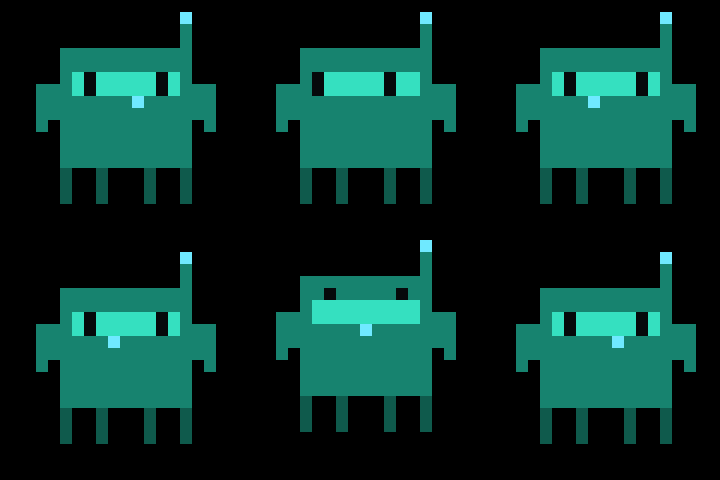
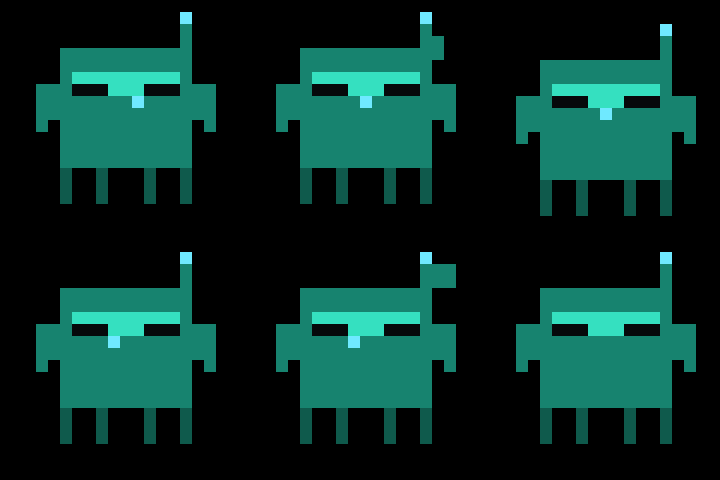

What runs, and what does not
Honest state, because a state board beats a feature list. The panel runs, with a bounce buffer so Bluetooth traffic stops tearing the picture. Bluetooth runs; the Windows tray app has been feeding usage every sixty seconds since the first flash. The single button brings up the numbers. Touch does not: the GT911 controller never answers on the bus, every reset sequence and bus speed has been tried, and the hardware is under inspection. Battery percentage is written but unverified. The project page carries those tiles and flips them as they change.
Where it goes
The plan is a small home hub with this screen as its face: more creatures for what Claude is doing (thinking, working, the model in use, the moment a task splits into agents), then sensors on the board's I2C header, then pages fed by a host on the LAN, with Home Assistant doing the controlling. The rule that keeps a desk toy from becoming a liability is already written down: the board renders and reports, a host decides. Nothing in that paragraph exists yet. The creature does.
Credit where it is owed: the Clawdmeter is Hermann Björgvin's project, the device, the firmware, the animation engine, all of it. Clawd's pixel animations are by amaanbuilds. ECHO's part is one board port, the skin, and the pages.
Announcement